


What It Means to Be Part of the LGBTQIA+ Community — and What It Means to Be an Ally
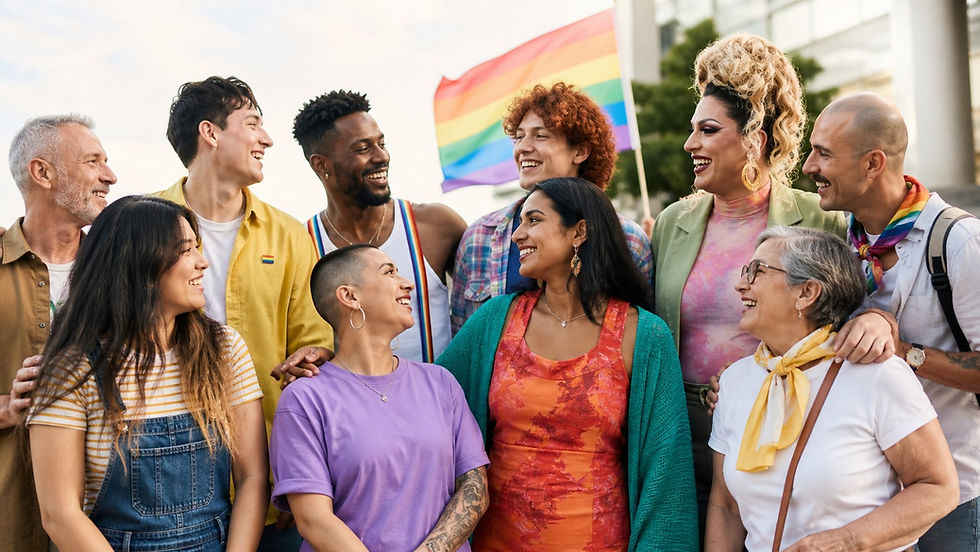
Being part of the LGBTQIA+ community means more than a set of letters. It represents people with real lives, families, stories, challenges, relationships, hopes, and dreams. It includes individuals who are lesbian, gay, bisexual, transgender, queer or questioning, intersex, asexual, and many other identities that reflect the broad spectrum of human experience.
At its heart, the LGBTQIA+ community is about belonging. It is about people having the freedom to live honestly, love openly, and be respected for who they are. For many, being part of this community means finding the courage to be visible in a world that has not always been welcoming. It can mean overcoming fear, rejection, misunderstanding, or judgment — and still choosing to stand in truth.
But the LGBTQIA+ community is not only defined by struggle. It is also defined by pride, resilience, creativity, love, chosen family, celebration, advocacy, and hope. It is a community that has helped move society forward by asking a simple but powerful question: Why shouldn’t every person be treated with dignity?
For the general population, understanding the LGBTQIA+ community begins with recognizing that people do not need to be the same in order to deserve respect. Someone’s identity, orientation, or personal journey may be different from your own, but their humanity is not. Respect does not require complete understanding. It requires kindness, openness, and the willingness to listen.
Being an ally means standing beside the LGBTQIA+ community, even if you are not personally part of it. An Ally is someone who supports equality, speaks up against unfair treatment, and helps create safer, more welcoming spaces for everyone. Allyship is not about being perfect or having all the right words. It is about being willing to learn, grow, and show up.
Sometimes allyship is public. It may mean supporting inclusive policies, attending community events, donating to organizations, or speaking out when someone is being mistreated. Other times, it is quiet and personal. It may mean using someone’s correct name or pronouns, correcting harmful language, listening without judgment, or making sure a friend, coworker, neighbor, or family member feels accepted.
Being an ally also means understanding that acceptance should not be conditional. LGBTQIA+ people should not have to prove their worth, explain their identity, or make others comfortable in order to be respected. True allyship means honoring people as they are, not only when their lives fit neatly into someone else’s expectations.
For families, workplaces, schools, faith communities, and neighborhoods, inclusion matters. When people feel safe being themselves, they are more likely to thrive. They contribute more fully, connect more honestly, and live with less fear. A more accepting society benefits everyone because it teaches us to lead with compassion instead of assumption.
The general population has an important role to play. Every person has the ability to make the world a little safer, kinder, and more respectful. That can begin with a conversation, a moment of support, a willingness to learn, or the courage to challenge prejudice when it appears.
Being part of the LGBTQIA+ community means living authentically. Being an ally means helping protect that right for others.
At the end of the day, this is not about politics, labels, or division. It is about people. It is about dignity. It is about love. And it is about building a world where no one has to hide who they are in order to be accepted.


Comments